Floral Frog: A Designer's Honest Take on This Whimsical Embroidery Asset
I have seen hundreds of nature-inspired embroidery designs over the years, but every so often one stops me mid-scroll. Floral Frog did exactly that. It is not just another cute amphibian slapped onto a leaf. There is a quiet charm here, a balance between playful and polished that makes it genuinely interesting for crafters who care about how a finished stitch-out actually looks on a real product. I downloaded the file set, opened the vector previews, and spent a solid hour thinking through every way I would use it in my own small shop lineup. Here is what I found.
First Impression: A Design That Feels Both Gentle and Confident
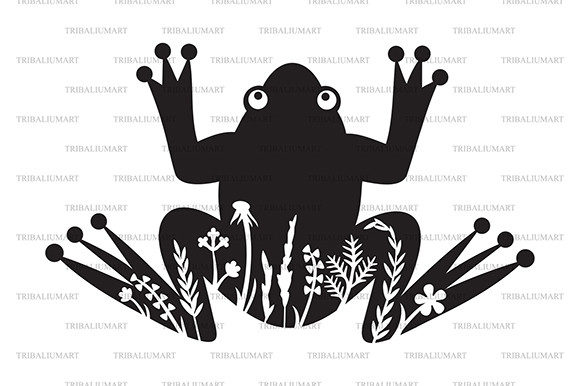
The first thing that struck me about Floral Frog was the mood. This is not a loud, cartoonish illustration. The frog sits comfortably among floral elements, with a shape that reads clearly even at a glance. The curves are smooth, the botanical details frame the central figure nicely, and the overall silhouette has that rounded, friendly softness that buyers tend to gravitate toward in handmade markets. If you sell at craft fairs or run an Etsy shop, you already know that approachable designs outsell aggressive or overly complex ones nine times out of ten. This design lands in that sweet spot.
From a pure graphics standpoint, the files arrived as promised. With this instant download, I received one ZIP folder containing SVG, DXF, EPS, JPEG, PNG, and PDF files of each individual image. These are digital files only, no physical product shipped. For embroidery digitizing, the vector formats are what matter most, and the EPS and SVG opened cleanly in my software with well-organized paths. That matters when you are about to spend time converting a design into a machine embroidery file with proper stitch types and density maps.
Where Floral Frog Would Shine in Real Embroidery Projects
I mentally placed this design on about a dozen products before forming a solid opinion. The floral-frog combination naturally leans toward certain project categories, and knowing where a design belongs saves you from wasting time on the wrong blanks. Here is where Floral Frog makes the most sense.
Custom Tote Bags and Everyday Carry Items
A medium-weight canvas tote bag is probably the first canvas I would choose for this design. The rounded proportions of the frog and the flowing floral accents would sit beautifully centered on a natural cotton tote. I would stitch it at roughly five by five inches, using a soft sage green for the frog body and muted blush or lavender tones for the floral details. The satin stitch on the petals would catch light nicely against the matte fabric. For market shoppers browsing handmade totes, this design has that boutique feel that justifies a higher price point.
Sweatshirt and Apparel Embroidery
On a crewneck sweatshirt, placed left chest or centered on the back between the shoulder blades, Floral Frog would hold its own. The key with apparel embroidery is choosing a design that does not become a stiff, bulletproof patch of thread. The floral elements here have enough negative space between them to allow the fabric to drape naturally. I would recommend a soft cut-away stabilizer on knit fabrics and a slightly reduced stitch density on the fill stitch areas to keep the finished garment comfortable against the skin. On a French terry sweatshirt in oatmeal or dusty blue, this design would look like something from a high-end boutique collection.
Baby and Children's Products
This is where Floral Frog might actually perform the strongest. Baby embroidery is a massive category, and parents love friendly animal designs with a softer, storybook quality. A small version on a baby bodysuit, a bib, or a nursery pillow cover would be absolutely marketable. The design scales down reasonably well, though I would avoid going smaller than three inches in the longest dimension to keep the floral details clean. On a plush minky blanket corner, using a low-density fill stitch and a water-soluble topping to prevent the stitches from sinking into the pile, this design would photograph beautifully for an Etsy listing.
Kitchen Linens and Home Decor
Tea towels, aprons, and pillow covers are bread-and-butter products for many embroidery small businesses. Floral Frog on a flour-sack tea towel, stitched in a single earthy thread color like olive or terracotta, would have that modern farmhouse appeal that still moves well at craft fairs. On a linen pillow cover, centered with a simple running stitch border, it could anchor an entire booth display. The design feels handmade without looking homemade, which is exactly the balance you want when selling finished products to customers who value craftsmanship.
Patches, Hats, and Small Accessories
Patch making is another solid application. The design's self-contained shape works well for a die-cut patch edge. Stitched on felt or twill with a dense satin stitch border, Floral Frog would make a charming iron-on or sew-on patch. For caps, placement gets trickier because of the curved surface, but a small left-side chest placement on a dad hat could work if you test the alignment carefully. I would not push this design onto a structured high-profile crown where the curvature would distort the floral extensions.
Practical Considerations Before You Stitch
No design is perfect for every situation, and part of being a responsible reviewer is pointing out the limitations honestly. Floral Frog has some characteristics that require thoughtful handling.
Small hoop sizes are the first concern. If you are working with a four-by-four inch hoop, you will need to scale the design down significantly. Test the scaled version on scrap fabric first. The thin floral stems and petal tips can become fragile when reduced too far. I always run a test stitch-out on cotton muslin before committing to a final product, and I recommend you do the same here. Check whether fine details close up properly at your intended size.
Fabric texture plays a big role in how this design reads. On smooth cotton or linen, the details will be crisp and legible. On highly textured fabrics like waffle weave, terry cloth, or heavy knits, the smaller floral accents may lose definition. I would avoid stitching Floral Frog on dark fabrics without first testing thread color contrast. Dark backgrounds swallow mid-tone greens and muted floral hues. A lighter stabilizer backing helps, but the thread colors themselves need enough contrast to pop. Test both light and dark fabric swatches before finalizing your product photography plan.
Stitch density is another consideration, especially in the fill stitch areas of the frog body. If the density is too high, the fabric can pucker or the design can feel stiff. A well-digitized version of this design would use a moderate fill density with proper underlay stitching to stabilize without overworking the fabric. If you are digitizing this yourself from the provided vector files, take your time adjusting the density parameters for your specific fabric type. For stretchy apparel fabrics, add a light knockdown stitch under the main fill to prevent shifting.
Curved surfaces like caps and hat fronts present a placement challenge because the floral extensions radiate outward. On a curved cap crown, those outer petals can skew visually. If you are set on hat embroidery, consider simplifying the outer floral ring or repositioning the design lower on the crown where the curve is less aggressive. Run alignment tests on a sacrificial blank before stitching on expensive finished caps.
How Floral Frog Affects Brand Perception and Customer Trust
When I evaluate a design for commercial use, I think beyond the stitching itself. I think about the customer who receives a finished product with this design on it. Will they feel delighted? Will they gift it proudly? Will they leave a five-star review? Floral Frog has the kind of broad, gentle appeal that makes it safe for gifting while still being distinctive enough to feel intentional. A grandmother buying a baby gift, a friend shopping for a housewarming present, a boutique owner curating shelf displays. This design fits all those scenarios without needing explanation.
From a branding perspective, Floral Frog works well for shops that lean into nature themes, woodland aesthetics, garden-inspired collections, or whimsical storytelling. It pairs nicely with botanical patterns, soft color palettes, and organic textures. If your brand already uses floral motifs, this design slots right in. If your aesthetic is more bold and graphic, it might feel slightly out of step. Consistency in your design catalog matters. Customers return to shops where the visual identity feels cohesive.
For digital product sellers who create printable mockups or design previews, the PNG and JPEG files in the download make it easy to generate clean listing images. The transparent-background PNG is particularly useful for overlaying onto product photos. A well-presented mockup with realistic fabric texture and thread simulation can significantly boost buyer confidence before they ever receive a physical item.
Real-World Workflow: From Digital File to Finished Product
Here is how I would actually use Floral Frog in my own workflow. Start by opening the EPS file in your embroidery digitizing software. Trace or convert the vector paths into stitch objects, assigning satin stitch to the floral outlines, fill stitch to the frog body, and running stitch for any fine accent lines. Set your hoop size based on the final product. For a tote bag, I would use a five-by-seven inch hoop. For a baby bib, a four-by-four inch hoop with the design scaled to about three and a half inches wide.
Choose thread colors that match the mood of your shop. I tend toward nature-inspired palettes, mossy greens, dusty roses, warm creams, and soft browns, but a monochromatic version in charcoal on oatmeal fabric could look equally sophisticated. Test the design on the exact fabric you plan to sell. Wash the test piece to check for thread shrinkage, color bleeding, and stitch integrity. Nothing erodes customer trust faster than a beautiful design that falls apart after two washes.
Confirm your licensing terms before selling finished items. The product description states these are digital files for download, and you need to verify whether the included license permits commercial use on physical products for resale. Most illustration packs have clear terms, but it is always worth double-checking before you list fifty embroidered tote bags in your shop.
Final Verdict From a Working Designer's Perspective
Floral Frog earns its place in a serious embroidery collection. It is versatile, emotionally appealing, and technically sound for a range of fabric applications when handled with care. The vector source files are clean, the design's personality bridges multiple product categories, and the finished products would likely attract positive customer reactions. It is not a design I would recommend for high-speed production runs on challenging fabrics without thorough testing, but for small-batch handmade work, boutique items, personalized gifts, and seasonal collections, it delivers genuine value.
If you are an Etsy seller building a spring collection, a crafter preparing for holiday market season, or a small shop owner looking for illustrations that translate well into machine embroidery, Floral Frog deserves a close look. Test it on your preferred blank, dial in your thread palette, and let the design do what good embroidery always does, make someone stop, smile, and reach for their wallet.